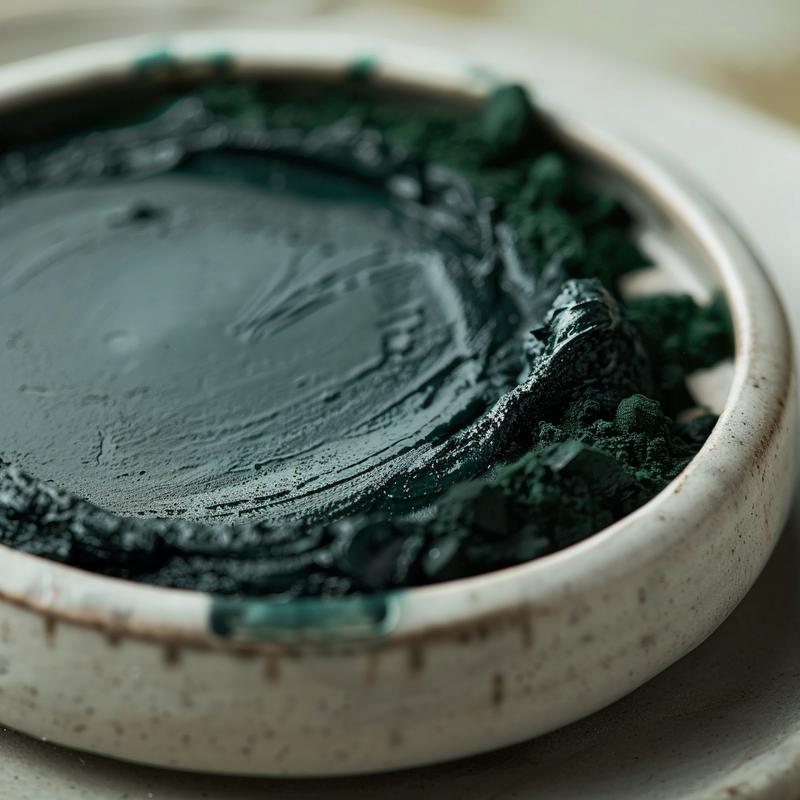
Welcome, fellow culinary artists! I’m Jessie, and today, we’re diving deep into the fascinating world of food coloring, specifically how to achieve that perfect, elusive dark green. Whether you’re aiming for a sophisticated forest green, a playful St. Patrick’s Day hue, or a moody moss green, mastering the art of color mixing is essential. This guide provides a comprehensive dark green food coloring mixing chart and expert tips to elevate your baking and decorating game. Forget those pre-made colors; let’s unlock the potential of your pantry and create custom shades that will make your creations truly shine.
Why You’ll Love This Guide
Why settle for store-bought when you can create custom colors tailored to your exact vision? This guide isn’t just about mixing colors; it’s about understanding the science and art behind it. You’ll learn how to achieve perfect color balance, adjust for different mediums (like buttercream or royal icing), and troubleshoot common issues. If you’ve ever struggled to get the right shade of green, this guide is your definitive solution. You’ll learn how to make the exact color you want. Plus, it’s a fun, creative process that enhances your culinary skills! Ultimately, you will achieve the perfect icingorglaze perfect for any occasion.
Ingredients: Your Color Palette
Before we begin, let’s gather our supplies. Think of these as your artist’s palette – the foundation for creating stunning shades of dark green.
- Yellow food coloring: This is the base for almost all green shades. Gel food coloring is recommended for its concentrated color and minimal dilution.
- Blue food coloring: Essential for creating green. Start with a vibrant blue and adjust from there.
- Black food coloring (optional, for deepening the shade): Use sparingly! Black can quickly overpower the color, but a tiny amount adds depth and richness. Wilton black is a popular choice.
- White food coloring (optional, for creating a pastel shade): If you’re aiming for a lighter, pastel green, white food coloring is your friend.
- Bowl or containers for mixing: Small bowls or cups work best for precise color mixing.
- Spoons or tools for stirring: Use clean tools to avoid contaminating your colors.
- Food item to color (e.g., frosting, dough): Have your buttercream or royal icing ready to go!
Dark Green Food Coloring Mixing Chart: Step-by-Step
Here’s a detailed guide to creating various shades of dark green. Remember, precision is key! Use drops wilton food coloring for best results.
- Start with a base of yellow food coloring: The amount will depend on how much you need to color. For example, begin with 1 cupbuttercream orroyal icingorglaze.
- Add blue food coloring gradually: Begin with a few drops and mix thoroughly. The ratio of yellow to blue will determine the shade of green. The food coloringformula is crucial here.
- Continue adding blue, a drop at a time: Until you achieve the desired green color. Remember that the color will deepen slightly as it sits.
- For a darker, forest green, add a very small amount of black food coloring: Start with a tiny drop and mix well. Black can quickly overpower the color, so add it cautiously. This step will help you learn how to make army green icing.
- If you want a pastel or lighter green, add a small amount of white food coloring: Mix well until the desired lightness is achieved.
- Test the color on a small amount of your food item before coloring the entire batch: This allows you to adjust the color as needed.
- Once you’re satisfied with the color, mix it thoroughly into the rest of your food item: Ensure an even distribution of color.
Achieving Specific Dark Green Shades
Let’s break down how to achieve some popular dark green shades:
- Forest Green: Start with a 3:1 ratio of yellow to blue. Add a *tiny* speck of black food coloring.
- Hunter Green Food Coloring: Similar to forest green, but with a slightly higher ratio of blue (perhaps 2:1 yellow to blue) and a touch more black.
- Moss Green Icing Color: Begin with equal parts yellow and blue. Add a small amount of brown or a mix of red and black. This creates a more muted, earthy tone.
- Army Green Icing: Use equal parts yellow and blue. Add a touch of red and black food coloring.
Pro Tips for Perfect Dark Green Food Coloring
Here are some insider tips to ensure your dark green food coloring turns out flawlessly:
- Use gel food coloring: Gel colors are more concentrated than liquid colors, meaning you’ll need less to achieve the desired shade. This prevents excess liquid from altering the consistency of your frosting or dough.
- Start slow: It’s always easier to add more color than to remove it. Begin with a small amount and gradually increase until you reach your target shade.
- Let it rest: Food coloring often deepens as it sits. Mix your color and let it rest for about 30 minutes before using it. This allows the color to fully develop, preventing you from over-coloring.
- Consider the base color: If you’re coloring something that isn’t pure white (like a yellow cake batter), the base color will affect the final result. Adjust your coloring accordingly.
- Record your ratios: If you find a color combination you love, write down the exact ratios you used. This makes it easy to recreate the color in the future. This is your coloringformula.
Common Mistakes to Avoid
Even experienced bakers can make mistakes when mixing food coloring. Here’s what to watch out for:
- Adding too much black: Black food coloring is potent. Overdoing it can result in a muddy, unappetizing color. Start with a tiny drop and mix thoroughly before adding more.
- Using old food coloring: Food coloring can expire or lose its vibrancy over time. Check the expiration date and ensure your colors are still potent.
- Not mixing thoroughly: Inadequate mixing can result in streaks or uneven color distribution. Mix your food coloring thoroughly until the color is uniform.
- Ignoring the base color: As mentioned earlier, the base color of your frosting or dough will affect the final result. Failing to account for this can lead to unexpected color outcomes.
Variations: Beyond Basic Dark Green
Once you’ve mastered the basic dark green, why not experiment with variations? Here are a few ideas:
- Teal Green: Add a touch more blue to your dark green.
- Olive Green: Mix in a tiny amount of yellow and brown.
- Emerald Green: A vibrant mix of green and blue.
Storage: Keeping Your Colors Fresh
Proper storage is essential for maintaining the quality of your food coloring:
- Store in a cool, dark place: Heat and light can degrade food coloring over time. Store your colors in a cool, dark pantry or cabinet.
- Keep containers tightly sealed: This prevents the colors from drying out or becoming contaminated.
- Avoid extreme temperatures: Don’t store food coloring in the freezer or in direct sunlight.
FAQ: Your Food Coloring Questions Answered
Let’s tackle some common questions about dark green food coloring:
- Can I use natural food coloring to make dark green?: Yes, but it can be challenging to achieve the same vibrancy as artificial colors. Spinach powder or spirulina can provide a natural green hue, but the color may be more muted.
- How do I fix a food coloring mistake?: If you’ve added too much color, try adding more of the base (e.g., more frosting or dough). If you’ve added the wrong color, you may need to start over.
- Is gel food coloring better than liquid?: Generally, yes. Gel colors are more concentrated and less likely to alter the consistency of your recipe.
- How To Make Army Green Icing?: Mix yellow and blue to create green, then add small amounts of red and black until you achieve the desired army green shade.
Serving Suggestions: Showcase Your Creations
Now that you’ve created the perfect dark green food coloring, it’s time to showcase your culinary masterpieces! Dark green is perfect for:
- St. Patrick’s Day treats: Decorate cookies, cupcakes, and cakes with festive green hues.
- Nature-themed desserts: Create forest landscapes, mossy cakes, and other nature-inspired designs.
- Elegant desserts: Use dark green to add a touch of sophistication to wedding cakes, macarons, and other elegant treats.
With a little practice and these expert tips, you’ll be a dark green food coloring master in no time! Happy baking!
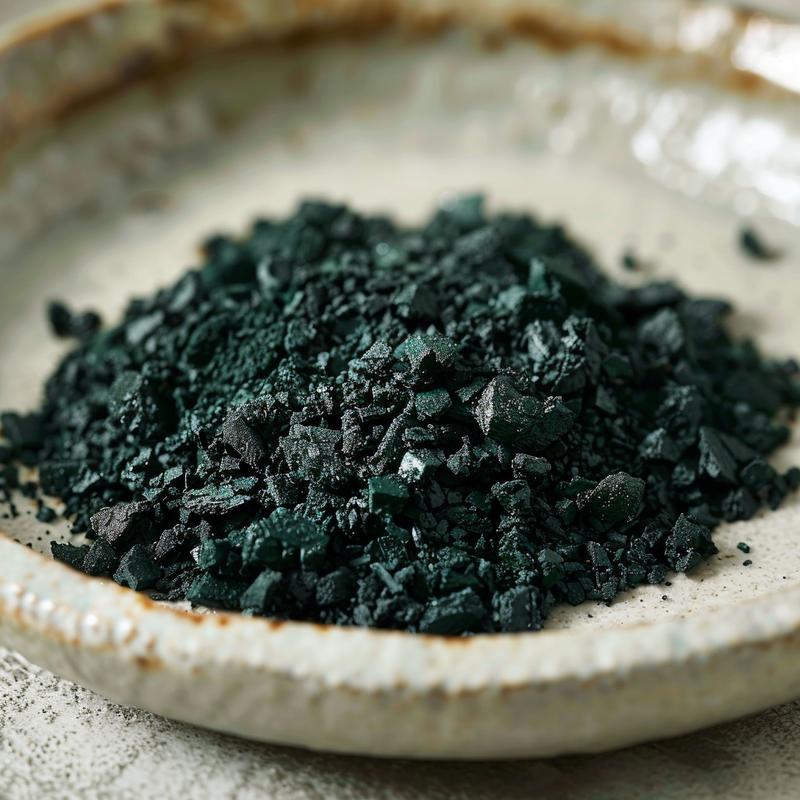

Dark Green Food Coloring Mixing Chart
Ingredients
Method
- Start with yellow food coloring.
- Add blue food coloring gradually and mix.
- Continue adding blue until desired green is achieved.
- For darker green, add a tiny amount of black.
- For lighter green, add a small amount of white.
- Test the color on a small amount of food item.
- Mix thoroughly into the rest of your food item.
Notes
Loved this recipe? Save it to your favorite Pinterest board so you can easily find it later! ✨